HEARD IN THE HALLS
A Case Study on Yearbook Spread Design

ABOUT THE CLIENT
A graduating Multimedia Design class producing its official yearbook.
The project falls within the education / creative publishing space, delivering a printed yearbook that captures student voices and memories.
THE DESIGN PROBLEM
With the prompt, “HEARD IN THE HALLS”, how do you transform 20 anonymous student responses into a visually engaging and cohesive spread?
The challenge wasn’t just fitting content, it was about making voices feel alive, while keeping everything appropriate, readable, and aligned with yearbook standards.
MY ROLE
I will be responsible for:
Hallway conversations are often hidden, unexpected, and fleeting. I needed a visual metaphor that could represent voices being “revealed.”
DOORS.
Inspired by Monsters, Inc., doors became our playful and nostalgic way to represent unseen conversations coming to life.
SKETCHING
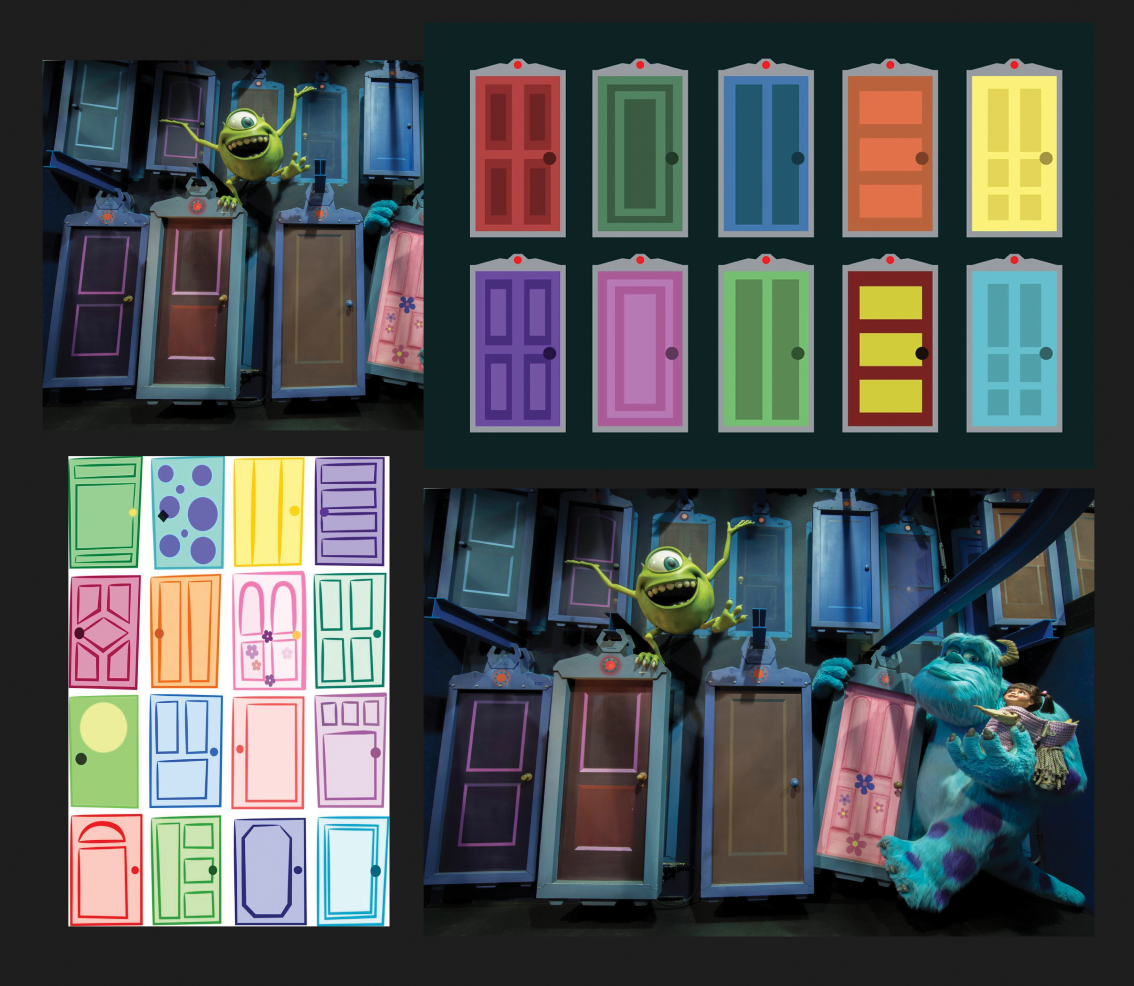
First, we created a visual moodboard to understand the language of the MONSTERS INC. brand.
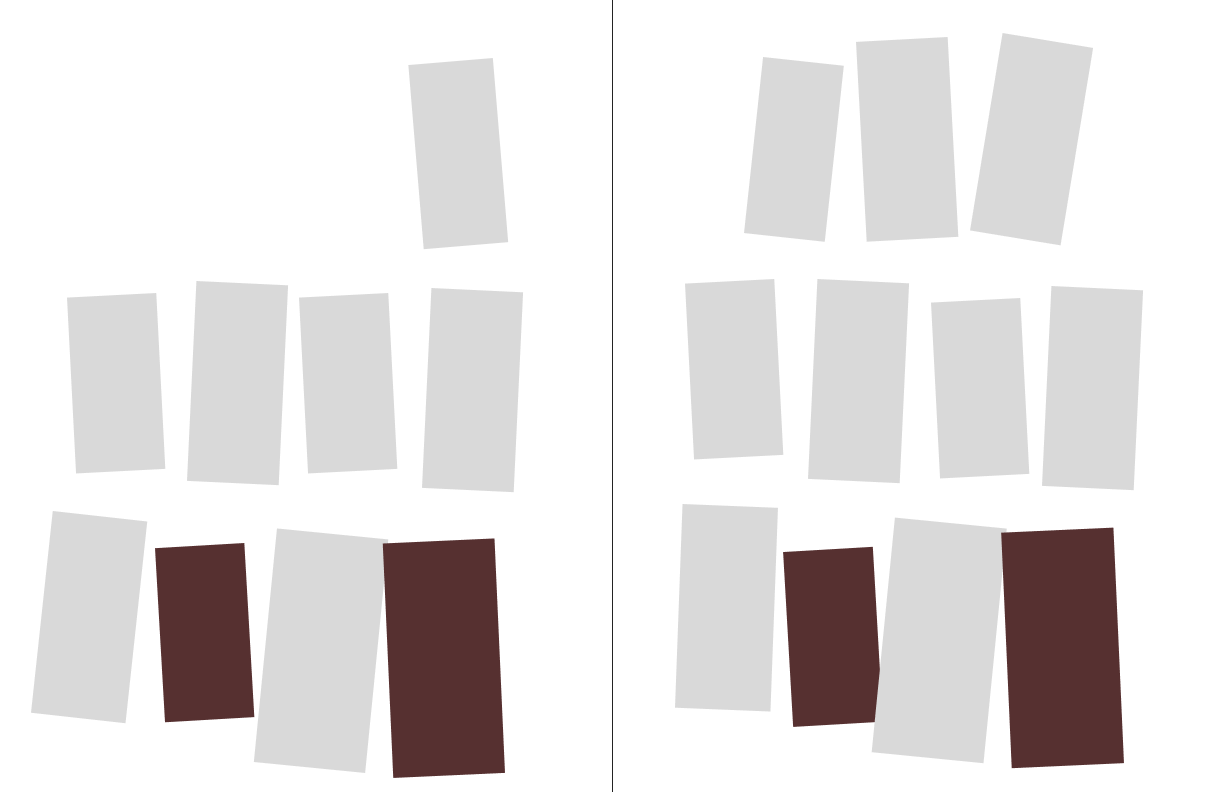
In order to determine a layout that made sense, we sketched out placement boxes for our 20 doors, leaving space for the spread title.
MONSTER'S AG
abcdefghijklmnopqrstuvwxyz
abcdefghijklmnopqrstuvwxyz
OUR SELECTED FONT FOR THE MAIN TITLE, MONSTER’S AG PERFECTLY REPLICATES THE STYLE OF THE MONSTER’S INC. FRANCHISE
ALL AGES
abcdefghijklmnopqrstuvwxyz
FONT FOR QUOTES ON OUR DOORS, MORE MINIMAL THAN THE TITLE FONT BUT STILL CONVEYS THE OVERALL GRITTY VIBE OF THE MONSTERS.
AND FINALLY, IT WAS TIME TO PUT THE WHOLE THING TOGETHER.

FINAL REFLECTION
NGE.3.1 Interact and participate effectively with others
I’ve grown from simply contributing within my team to playing a stronger role in guiding our creative direction, which reflects my move up to Level 12. While I wasn’t the formal team leader, I helped direct the creative vision by clarifying ideas, shaping concepts, and ensuring our work stayed aligned and cohesive. I became more confident in addressing challenges respectfully and helping my team navigate issues when they came up.
DOWNLOAD CASE STUDY